Analysis of TorZon Link
Comprehensive operational history, feature review, and structural documentation.
Independent Research Documentation
This page provides an objective, third-party analysis of the platform's lifecycle and internal architectural design constraints.
/ Executive Summary
TorZon Link operates as a decentralized hidden service ecosystem hosted exclusively within the Tor network architecture. Emerging as a prominent digital commerce hub, it implements strict operational security mandates for its participants. The environment primarily facilitates the exchange of digital goods and specialized physical commodities, employing advanced cryptographic verification at every interaction layer.
Unlike earlier iterations of hidden services that relied on traditional account balances, TorZon Link has integrated direct-payment mechanisms and multi-signature escrow designs to minimize structural risk. This document serves as a historical repository of its technological framework and structural evolution.
/ Historical Timeline
The core infrastructure was launched on the Tor network, establishing the primary routing nodes and basic PGP verification protocols for early participants.
Implementation of multi-signature (multisig) escrow capabilities. This phase also strictly enforced Monero (XMR) transactions to guarantee network-wide financial obfuscation.
A major architectural overhaul introduced dynamic mirror generation and complex anti-DDoS challenge matrices, significantly enhancing platform uptime against targeted network fatigue attacks.
/ Technical Architecture
Cryptographic Operations
Security relies fundamentally on PGP (Pretty Good Privacy). 2FA (Two-Factor Authentication) is strictly enforced via PGP decryption challenges during the login sequence. Communications between participants are encrypted client-side before touching the platform's servers, maintaining zero-knowledge principles.
Financial Routing
The platform enforces cryptocurrency exclusivity, heavily leaning toward Monero (XMR) for privacy. It supports both traditional centralized escrow (where funds are held by the platform) and Wallet-less/Direct-Pay modes, meaning participants do not leave balances idle on internal platform wallets, eliminating exit-risk.
/ Platform Interface Preview
Visual archival data displaying the structural UI/UX flow of the hidden service. These frames map the participant journey from initialization to dashboard access.
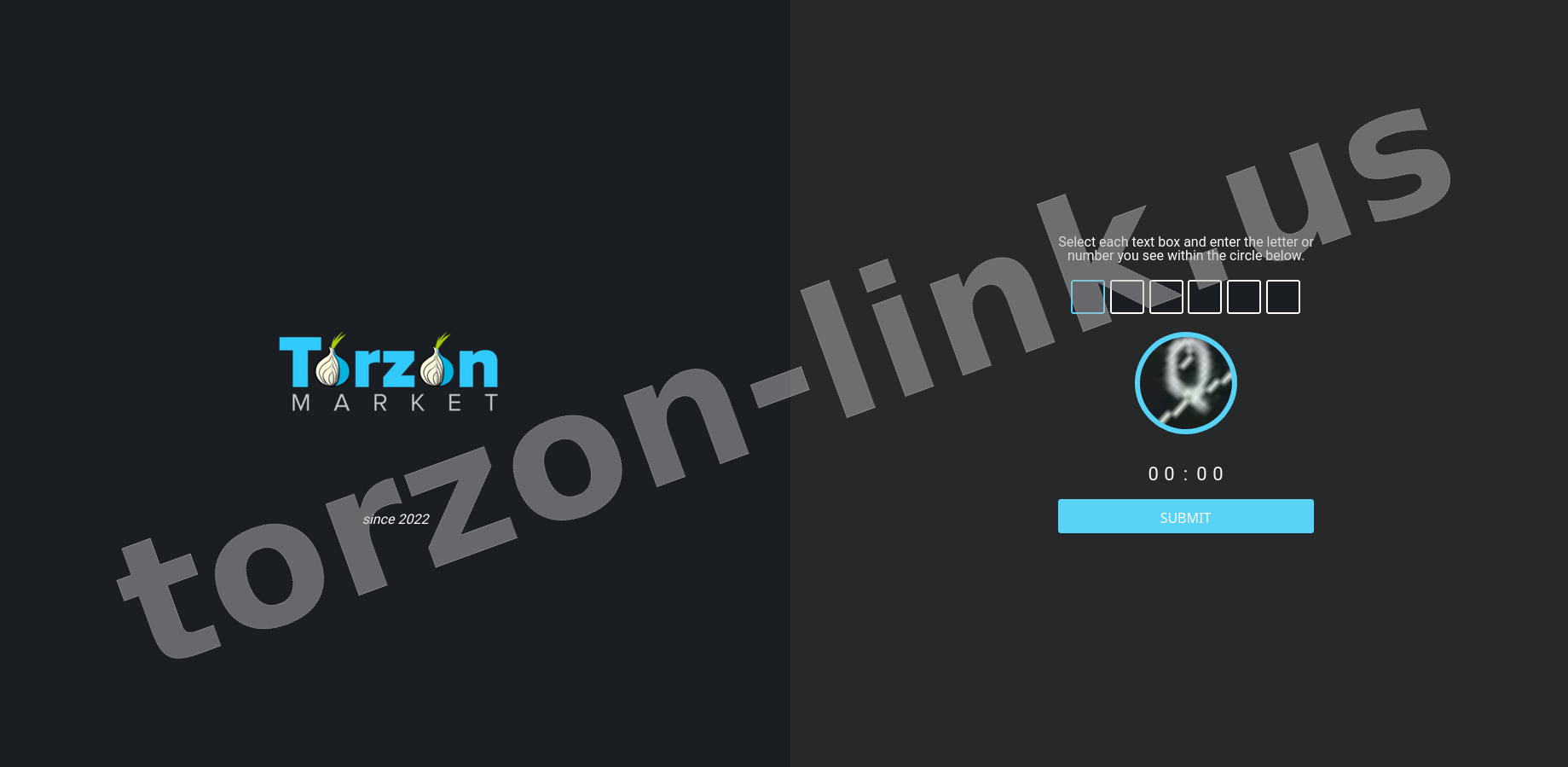
Fig 1. DDoS Protection Screen
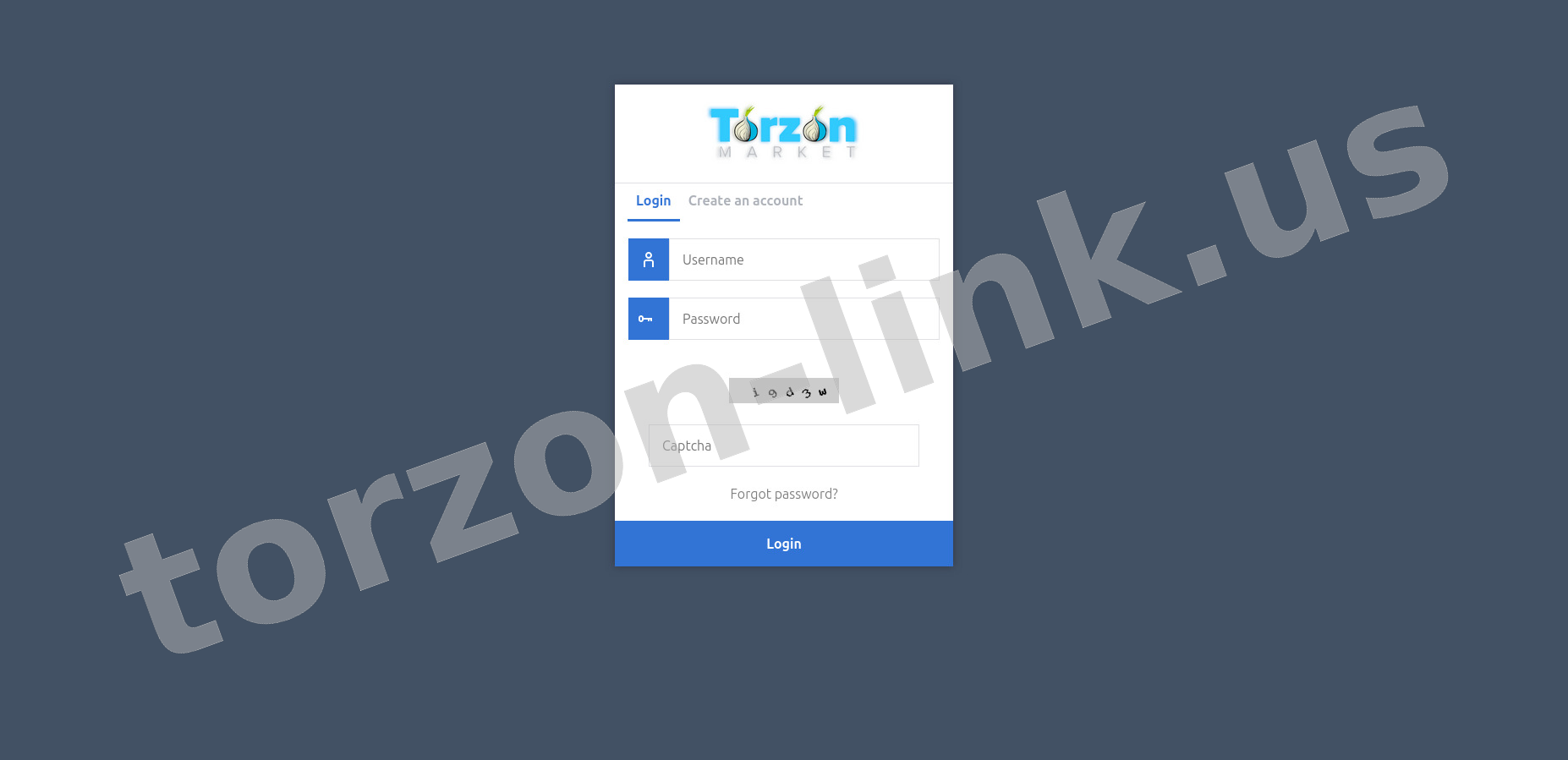
Fig 2. Encrypted Login Interface
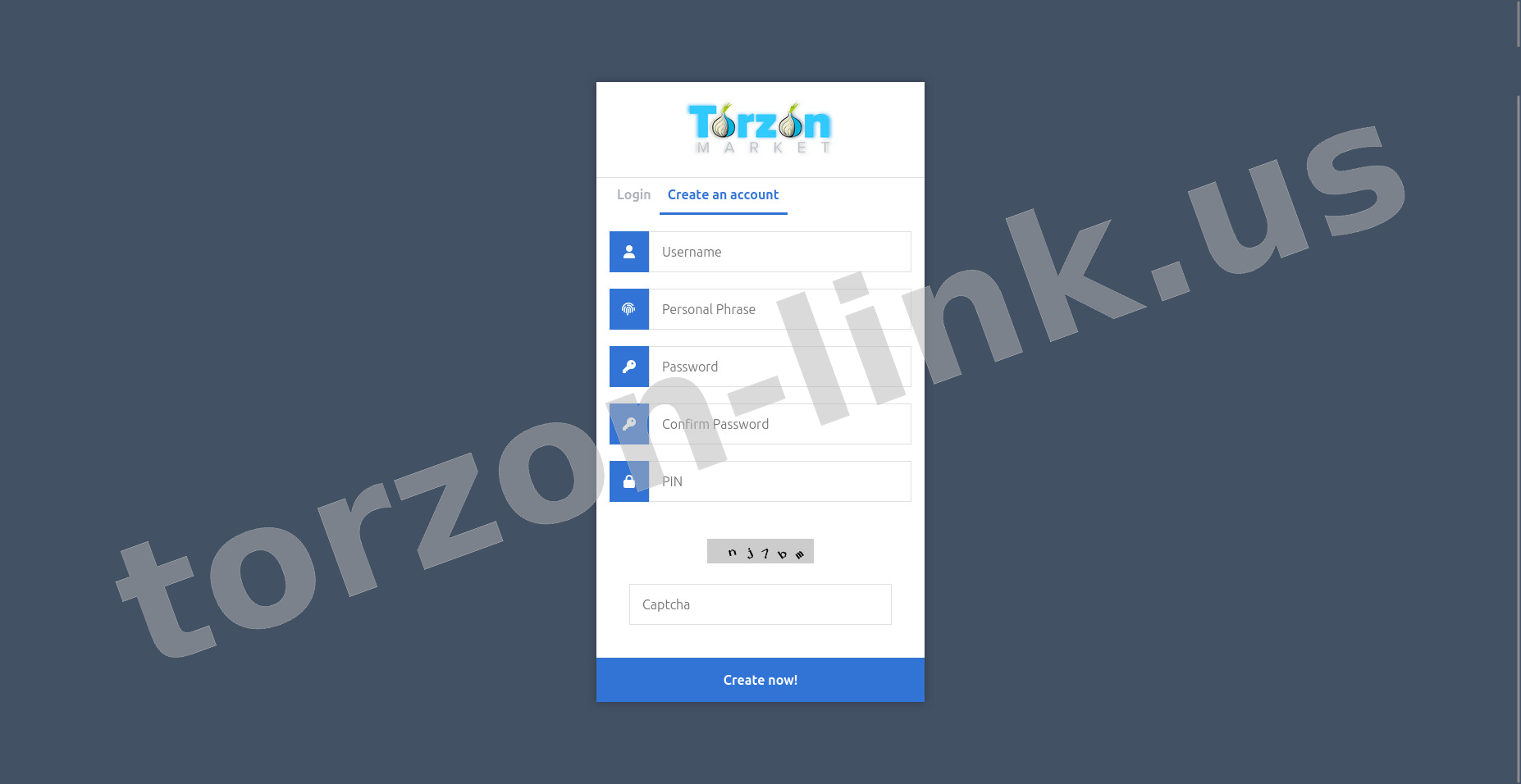
Fig 3. Account Registration Procedure
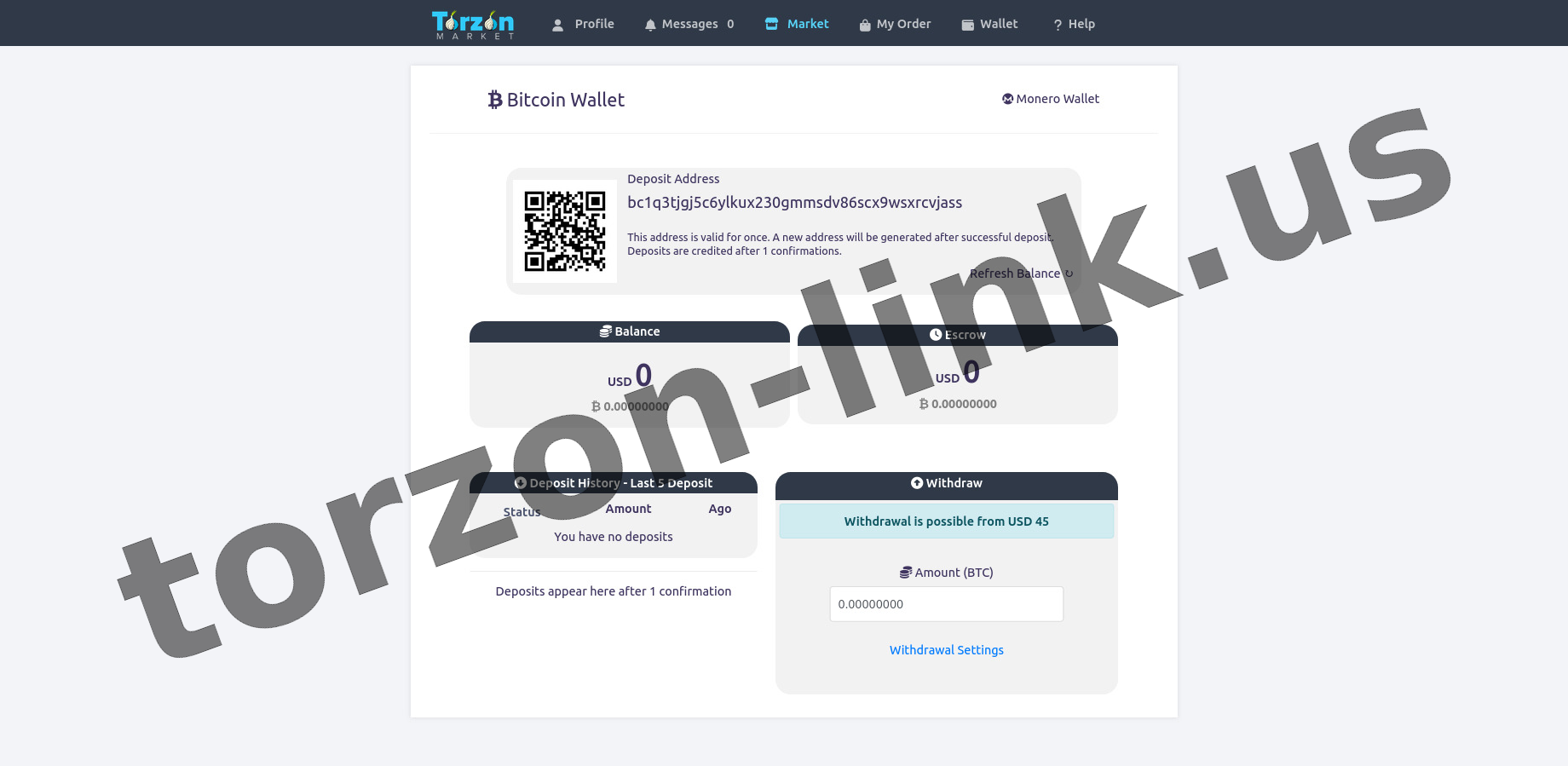
Fig 4. Main Market Dashboard
/ Community & Statistics
Participant Base
Observers note a consistently expanding user demographic, reflecting general community reliance on the platform's stability.
Merchant Verification
Trading accounts require significant surety bonds (deposits) to operate, serving as a financial deterrent against malicious behavior.
Ecosystem Sentiment
Technical forums generally regard the platform's UI structure and Wallet-less methodology as setting modern standards.